Tesla climbs on China sales jump and Semi production start
Tesla stock rose for the week as April China-made EV sales increased 36% and Semi production began, while EU regulators scrutinized automated-driving claims.
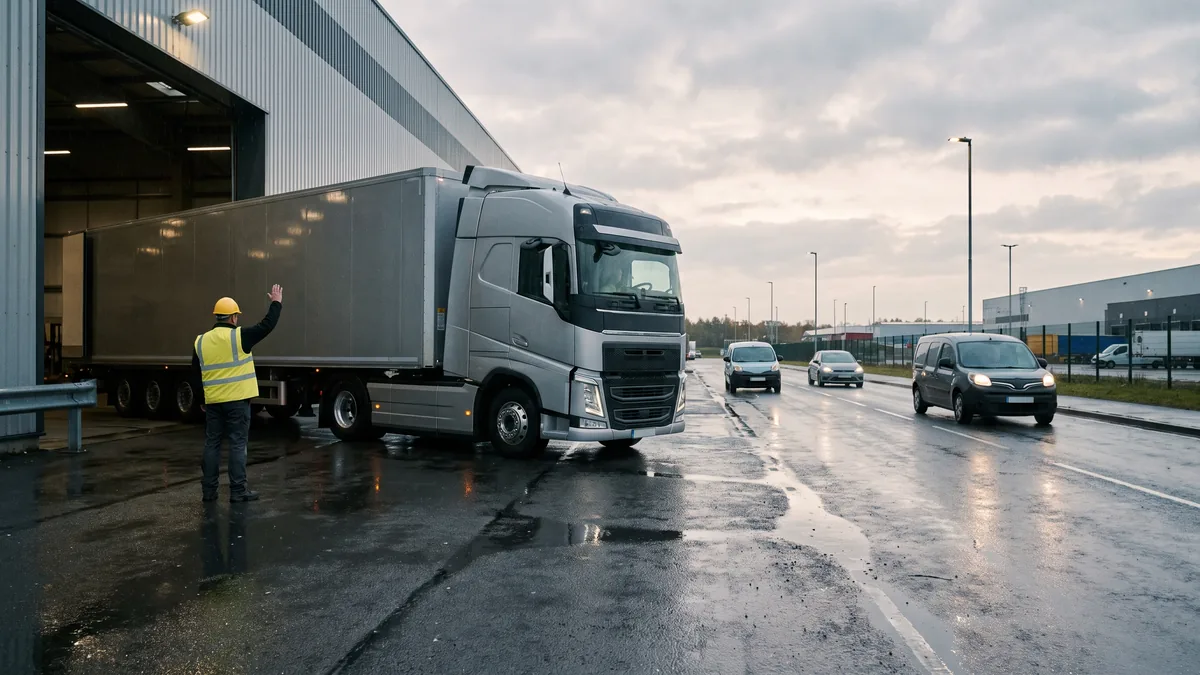
Tesla shares climb on China sales jump and Semi production start as EU FSD scrutiny looms
Tesla shares ended higher for the week after data showed a sharp rebound in April sales from its China plant and as the company began production of its Semi truck, helping investors look past heightened regulatory scrutiny in Europe and renewed concerns about heavy spending on AI and robotics.
Reuters reported that Tesla’s China-made EV sales rose 36% year-on-year in April, a notable acceleration after a softer stretch earlier in the year and a key indicator for sentiment around the company’s largest manufacturing hub and one of its most price-competitive markets. Investor’s Business Daily also highlighted the April China rebound and said the stock has been recovering after an extended slump earlier this year.
The gains came as Tesla’s weekly price action was also supported by operational headlines and corporate cash inflows. According to AOL, Tesla has started Semi production and recorded $573 million in sales last year to Elon Musk-related entities SpaceX and xAI, details that investors have been weighing alongside a rising capital-expenditure profile.
China demand signals help stabilize narrative after slump
China remains central to Tesla’s near-term delivery trajectory and margin outlook because it is both a major source of volume and a focal point for competitive pricing pressure from domestic brands. Reuters’ report on April sales, pointing to the 36% year-on-year increase, was treated by traders as evidence that Tesla is still able to stimulate demand in the region—despite intensifying competition and frequent price adjustments across the industry.
Investor’s Business Daily said the stock’s recent recovery follows a period from February to April when shares finished down for eight consecutive weeks, a stretch the publication attributed partly to broader market weakness. The outlet also pointed to investor attention on updates tied to Tesla’s latest AI5 chip, which has been part of the market’s attempt to re-rate the company more as an AI-adjacent platform than a pure auto manufacturer.
In Europe, the picture has been improving in absolute terms, but the competitive field has tightened. Automotive World reported Tesla “rebounds” in April registrations even as Chinese OEMs narrow the gap, with analysts broadly expecting battery-electric vehicle market share to rise toward 25% as the year progresses—supportive for sector volumes, but also a reminder that the pricing environment may remain challenging.
Semi production and related-party revenue add to near-term catalysts
Tesla’s Semi truck program, long watched as a potential incremental growth driver, moved into production, according to AOL. While investors have limited near-term visibility into volumes and margins from the program, the step into production served as another operational catalyst during a week when macro and “AI trade” positioning continued to dominate flows across mega-cap and high-beta names.
AOL also reported Tesla booked $573 million in sales last year to SpaceX and xAI. The disclosure attracted attention because it highlights a stream of revenue tied to Musk’s broader corporate ecosystem—an area that can influence how institutions model Tesla’s services and technology-related sales, even as core auto pricing remains under pressure in multiple regions.
Capex outlook raises free-cash-flow concerns
Despite the week’s gains, the stock continues to trade under the shadow of a higher spending outlook. AOL cited CFO Vaibhav Taneja as saying Tesla’s 2026 capital-expenditure estimate will be “over $25 billion” and will result in negative free cash flow for the rest of the year. Rising capex has been a recurring investor concern as Tesla builds out AI compute, robotics efforts, and manufacturing capacity, especially when the auto business is also contending with pricing pressure and shifting incentive structures across markets.
The capex debate has become a key input into institutional positioning: in prior cycles, Tesla’s multiple expanded alongside operating leverage and free-cash-flow growth, while heavy investment phases have tended to re-focus investors on execution risk and the timing of payoffs.
Europe FSD pathway faces skepticism from regulators
Regulatory developments in Europe added another layer of uncertainty. Reuters reported Tesla faces skepticism in the European Union over its automated-driving technology, with regulators in Sweden, Finland and Estonia telling Reuters they would review material presented at a committee meeting before making decisions. The report noted that some Wall Street analysts have projected a broader rollout of Tesla’s Full Self-Driving system across Europe within months, while Tesla has said approval is crucial—underscoring how regulatory timelines could influence sentiment around software revenue potential.
For markets, the key issue is whether a longer approval process delays any meaningful contribution from driver-assistance subscriptions in Europe, and whether scrutiny forces product adjustments that could affect feature availability.
Pricing pressure remains a live issue, including in Canada
Separately, Automotive News reported Tesla has undercut all but the cheapest EVs in Canada with a rear-drive Model 3, “presumably built in China,” highlighting how Tesla continues to use price as a lever to defend volume and market share. The move underscores a broader theme: even when delivery data improves in one region, pricing actions elsewhere can keep investors focused on margins and the potential for further cuts if competitive intensity rises.
Pricing has historically been a flashpoint for Tesla’s equity, influencing both earnings revisions and sentiment. Automotive News also previously documented that Musk’s cautious tone on growth contributed to analyst downgrades and concerns about additional price cuts, illustrating how management messaging can affect expectations even when delivery trends stabilize.
Macro and positioning backdrop: megacaps in focus
The broader market context has also mattered for Tesla’s trading. CNBC noted the market’s “next test” could come down to a small number of influential stocks, reinforcing how index-level positioning, factor rotations, and exposure to the AI theme can amplify daily moves in the largest, most liquid names.
Barron’s, in a separate market-focused piece, framed Tesla within a wider conversation that includes the AI trade and major automaker earnings, signaling that investors continue to weigh Tesla alongside both technology and industrial peers rather than treating it as a standalone auto story.
For now, Tesla’s week reflected a familiar push-pull: improved China sales data and operational milestones helped lift shares, while rising capex, regulatory uncertainty in Europe, and persistent price competition remain the key variables that could shape the next leg of trading.
This is market commentary based on publicly available news sources. Not financial advice.
References & Links
- Reuters: China-made EV sales rose 36% in April
- Reuters: EU regulators weigh Tesla’s automated-driving tech skepticism
- AOL: Semi production start, $573M in sales to SpaceX/xAI, and capex over $25B driving capital spending concerns
- Investor’s Business Daily: Stock recovery tied to China sales and AI5 chip updates
- Automotive World: Tesla rebounds in Europe as competition tightens
- Automotive News: Canada pricing move highlights ongoing Model 3 price cut pressure
- CNBC: Concentrated leadership and the market’s next test